Student Perspective
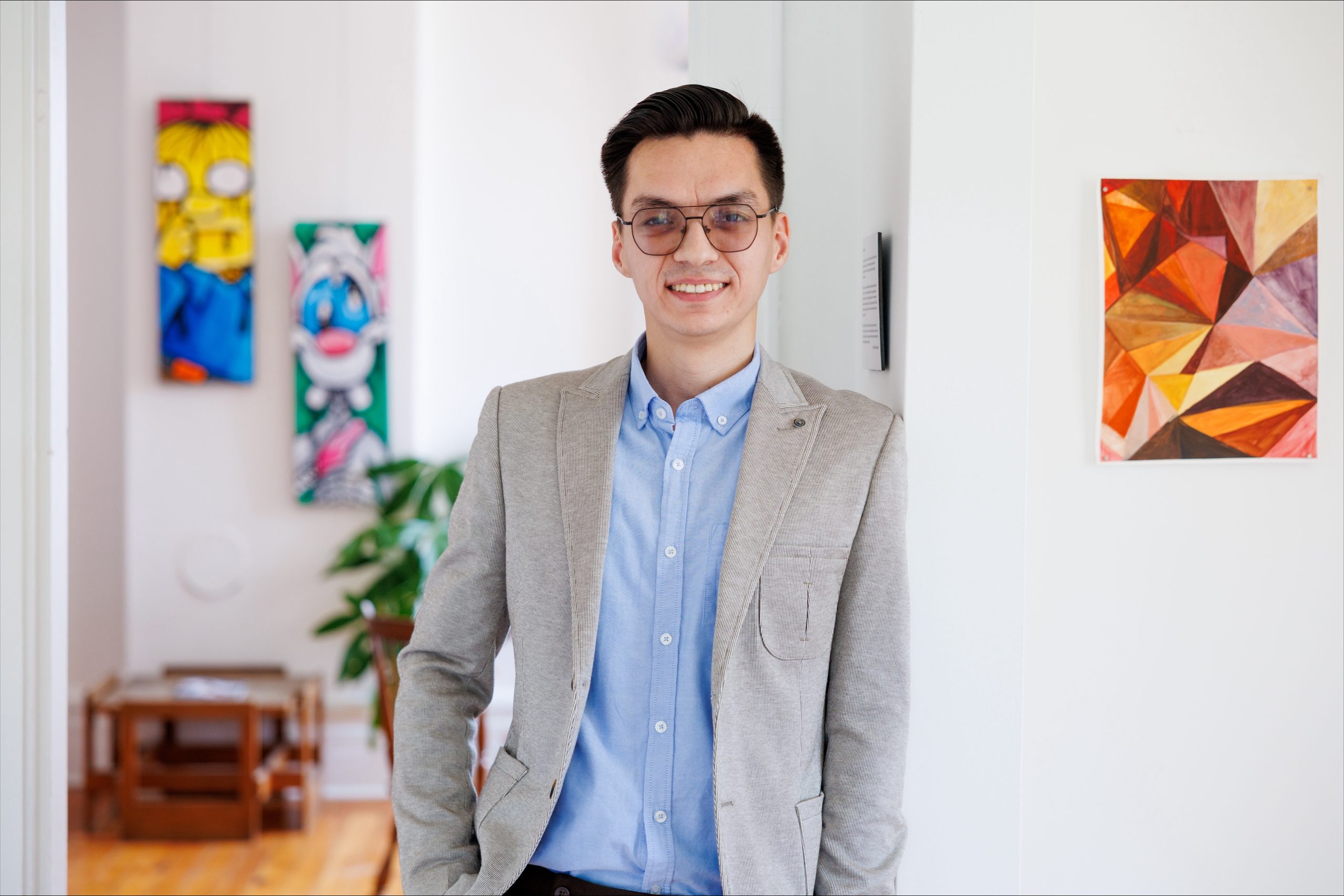
By: Almat Kabyl, Ph.D. Candidate | Trent University, Canada
I am a Queen Elizabeth II Scholars (QES) program alumnus and a PhD Candidate in Environmental and Life Sciences at Trent University. My research focuses on critical minerals and nutrients from ashes, with an emphasis on risk assessment and predictive machine learning for a circular economy. I am particularly interested in assessing the environmental risks of using ash as an agricultural amendment and using machine learning to predict the leaching behaviour of ash-amended soils. As part of my QES research project at National Taiwan University (NTU), I worked on Material Flow Analysis of ash for soil amendment.
One of the things that motivated me to apply to the QES program was the opportunity to experience another part of the world from a different perspective. Having lived, studied, and travelled in different places, I have always valued opportunities to learn from different cultures and ways of thinking.
I saw QES as an opportunity to build on those experiences while developing myself as a researcher, meeting people from different academic and cultural backgrounds, and gaining perspectives that I could bring back to my research in Canada.
I also wanted to challenge myself in a new academic environment and become part of an international research community.
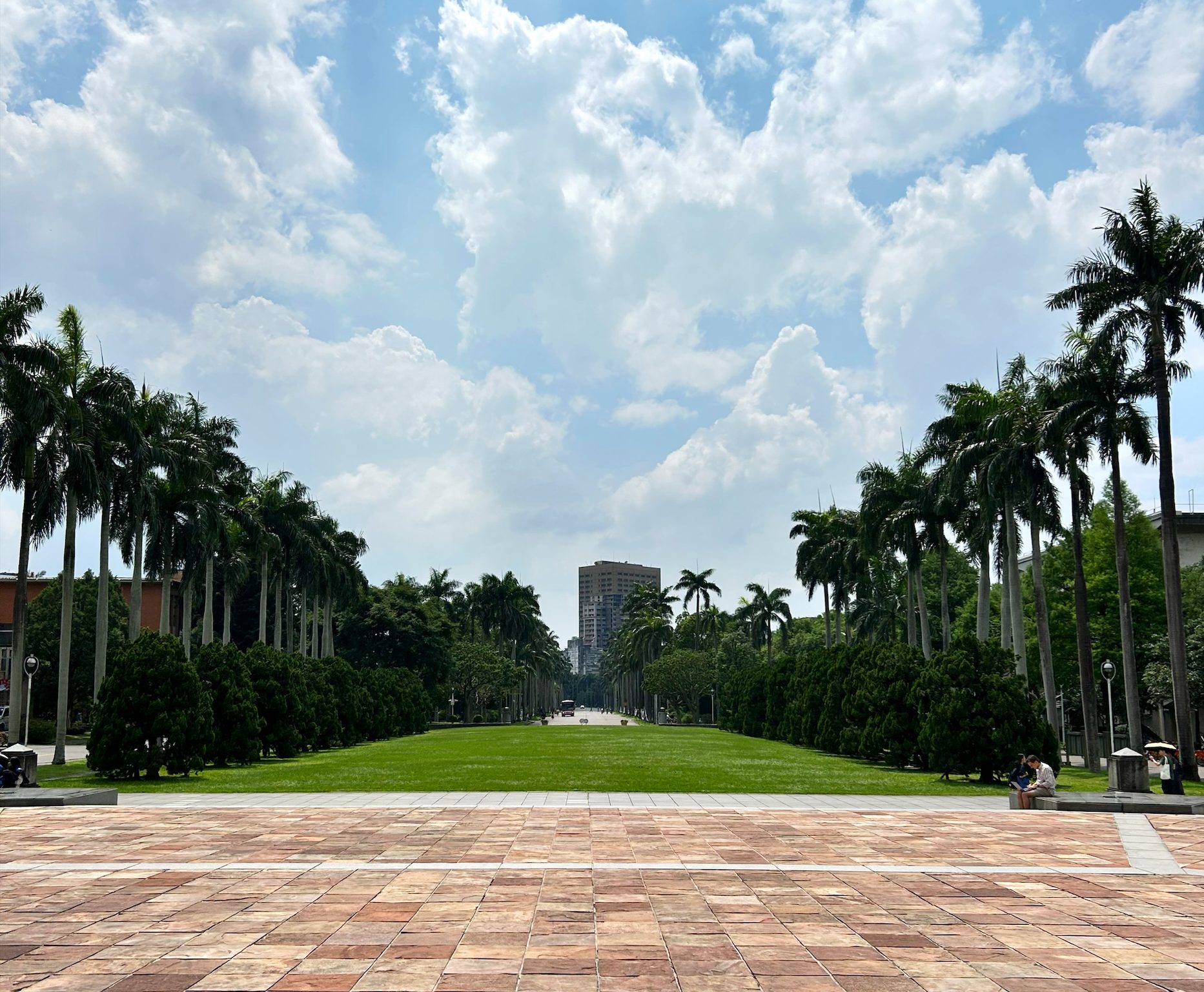
Image: A picture of National Taiwan University campus in Taipei (Taiwan) taken by Almat.
My Research Experience
I was a QES Scholar at National Taiwan University in Taipei, Taiwan, where I conducted my QES research project with Professor Hwong-wen Ma’s research group. Participating in weekly research group meetings was one of the most valuable parts of the experience. These meetings gave me an opportunity to exchange ideas, ask questions, listen to different perspectives, and become more comfortable discussing scientific topics with researchers and students from different backgrounds.
My research experience also extended beyond my own project. During my stay at NTU, we had the opportunity to participate in a research discussion with professors from Tohoku University in Japan about Material Flow Analysis of phosphorus and phosphorus recovery technologies. Although phosphorus is not the only focus of my research, it is an important part of it, so I found the discussion particularly interesting.
What stayed with me most was Japan’s focus on extracting value from waste and developing resource recovery technologies despite having limited natural resources. It made me think differently about resource management and about the opportunities available to countries that have valuable raw materials. Thinking about the experience, I saw again the importance of moving beyond simply exporting raw materials and focusing more on processing, innovation, and creating higher-value products.
The opportunity is not only in what we have, but also in what we can create from it. This perspective is something I will carry forward in my own research.

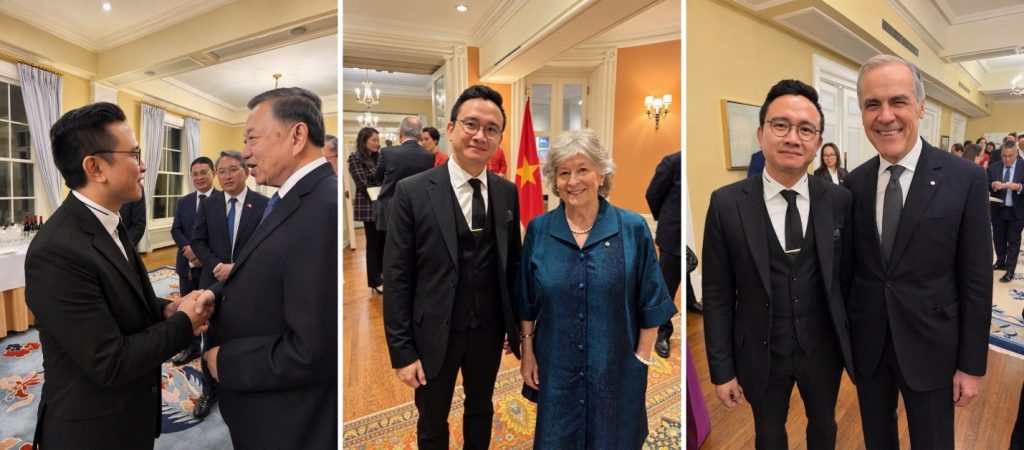
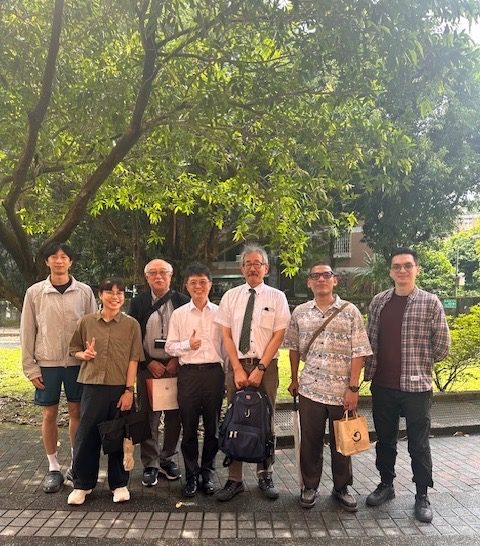
Image: Almat Kabyl (right) with visiting professors from Tohoku University (Japan) at the National Taiwan University campus in Taipei (Taiwan).
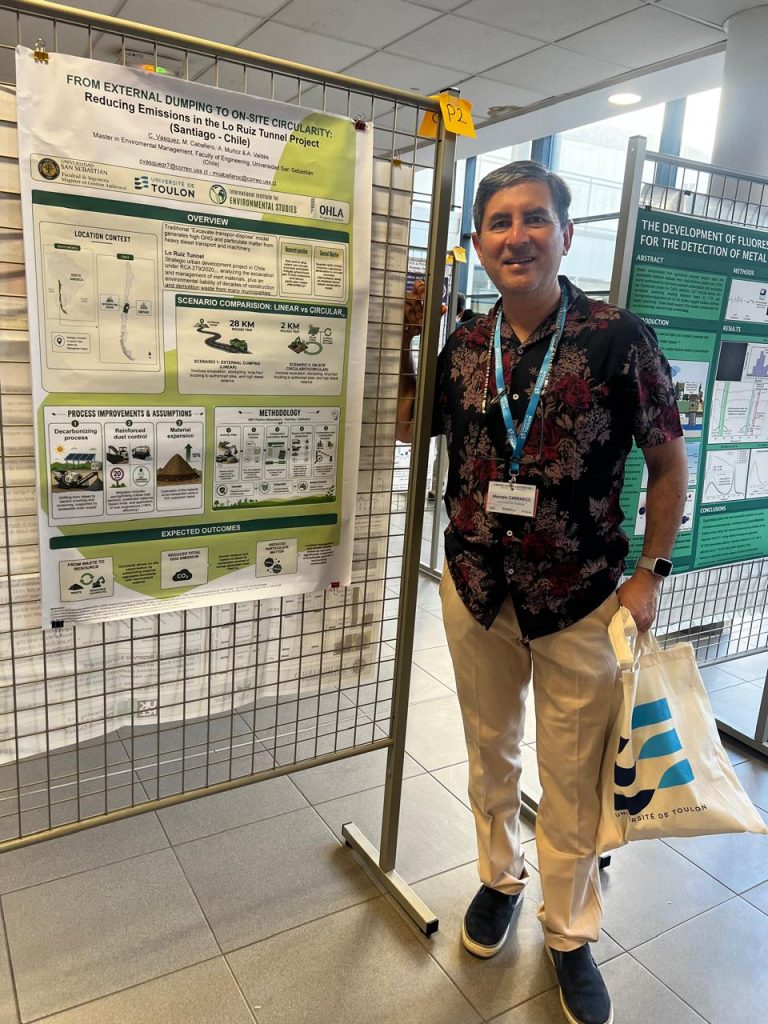
I also attended the 32nd KKNN Symposium on Environmental Engineering at National Taiwan University, where researchers and students from institutions including Korea Advanced Institute of Science and Technology (KAIST), Kyoto University, National University of Singapore, and NTU came together to discuss environmental challenges. The symposium covered a wide range of topics, including climate resilience, green chemistry, carbon management, water systems, and plastics in the environment. One conversation that particularly interested me was with an NTU graduate student about the impacts of climate on rice yield using explainable machine learning and temporal climate analysis. Since data-driven approaches and machine learning are also part of my research, I found it particularly interesting to see how these methods were being used to examine climate impacts on rice yield and to approach an environmental problem from a different perspective.
Beyond Research
However, my QES experience was not only about research.
One of the most meaningful experiences I had was volunteering at Chengcheng School in Nantou County, a mountainous rural area of Taiwan. I helped organize and facilitate educational and recreational activities for the students, including English learning activities and Olympic-themed games.
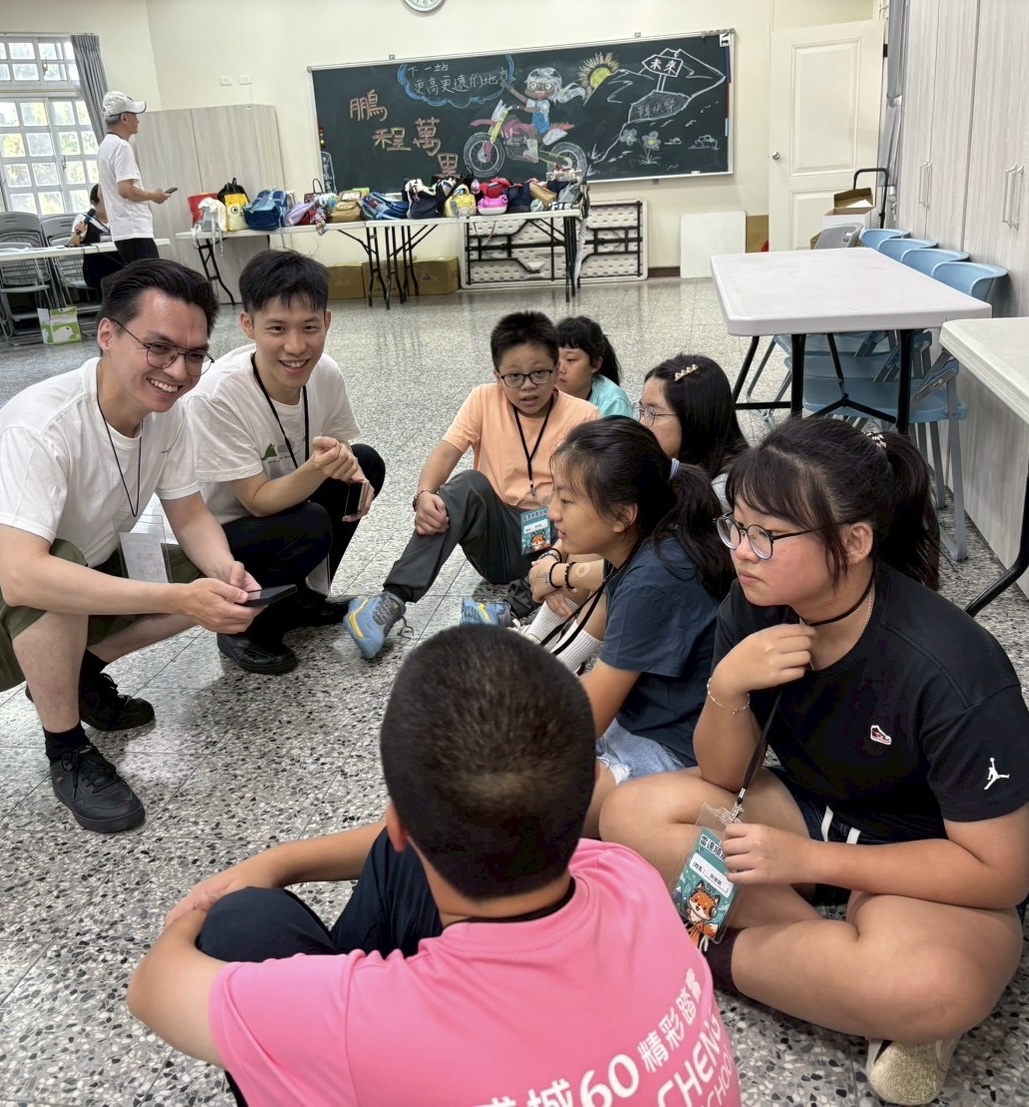
Image: Almat (right) volunteering with children at Chengcheng School in Nantou County (Taiwan).
Spending time with the students and seeing their enthusiasm reminded me of the importance of community engagement and gave me an opportunity to experience a part of Taiwan that I might not have encountered through my research alone.
Within the university, we also had an appreciation gathering with Professor Ma’s group, where we shared a meal and expressed what we were thankful for. Outside of the university, we went on a group outing to Yilan in northeastern Taiwan. During that trip, I saw dolphins for the first time in my life and enjoyed a hot spring. It was one of the experiences I will remember most from my time in Taiwan.
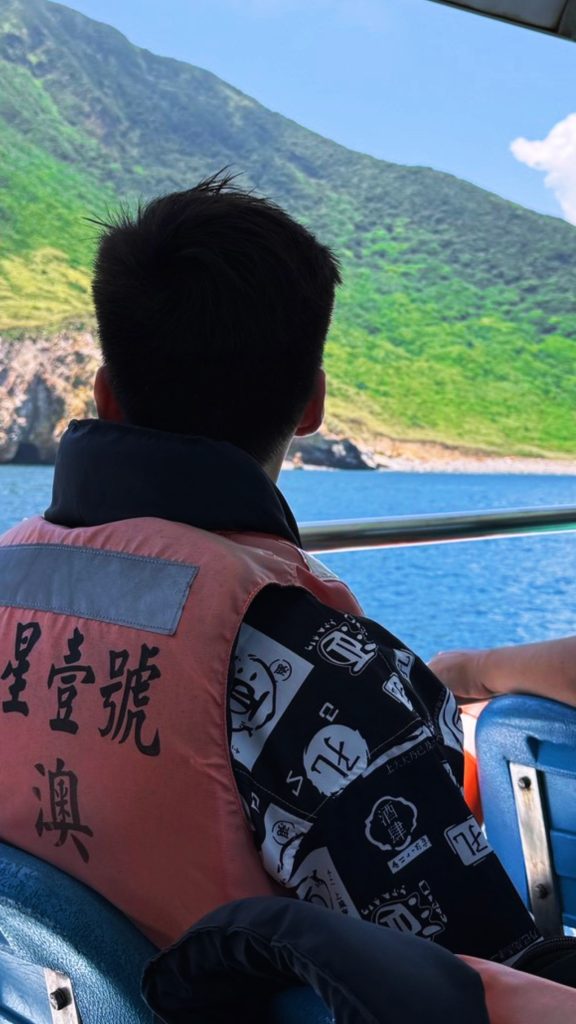
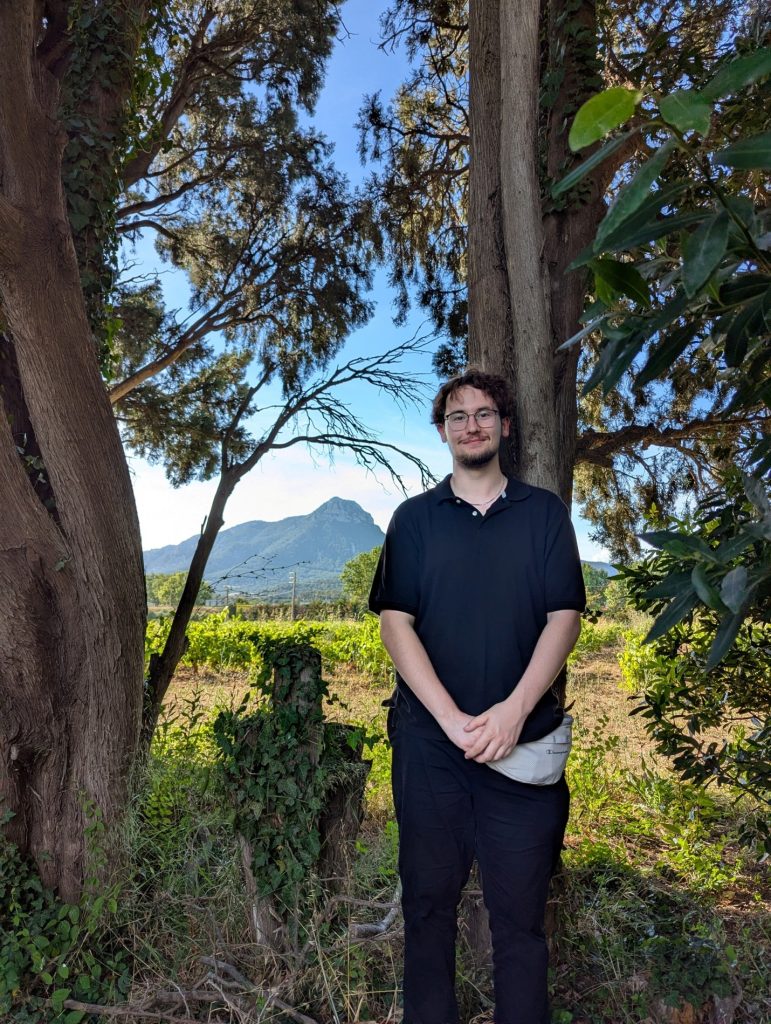
Image: Photograph taken during a group outing in Yilan, northeastern Taiwan.
Exploring Taiwan and the People I Met
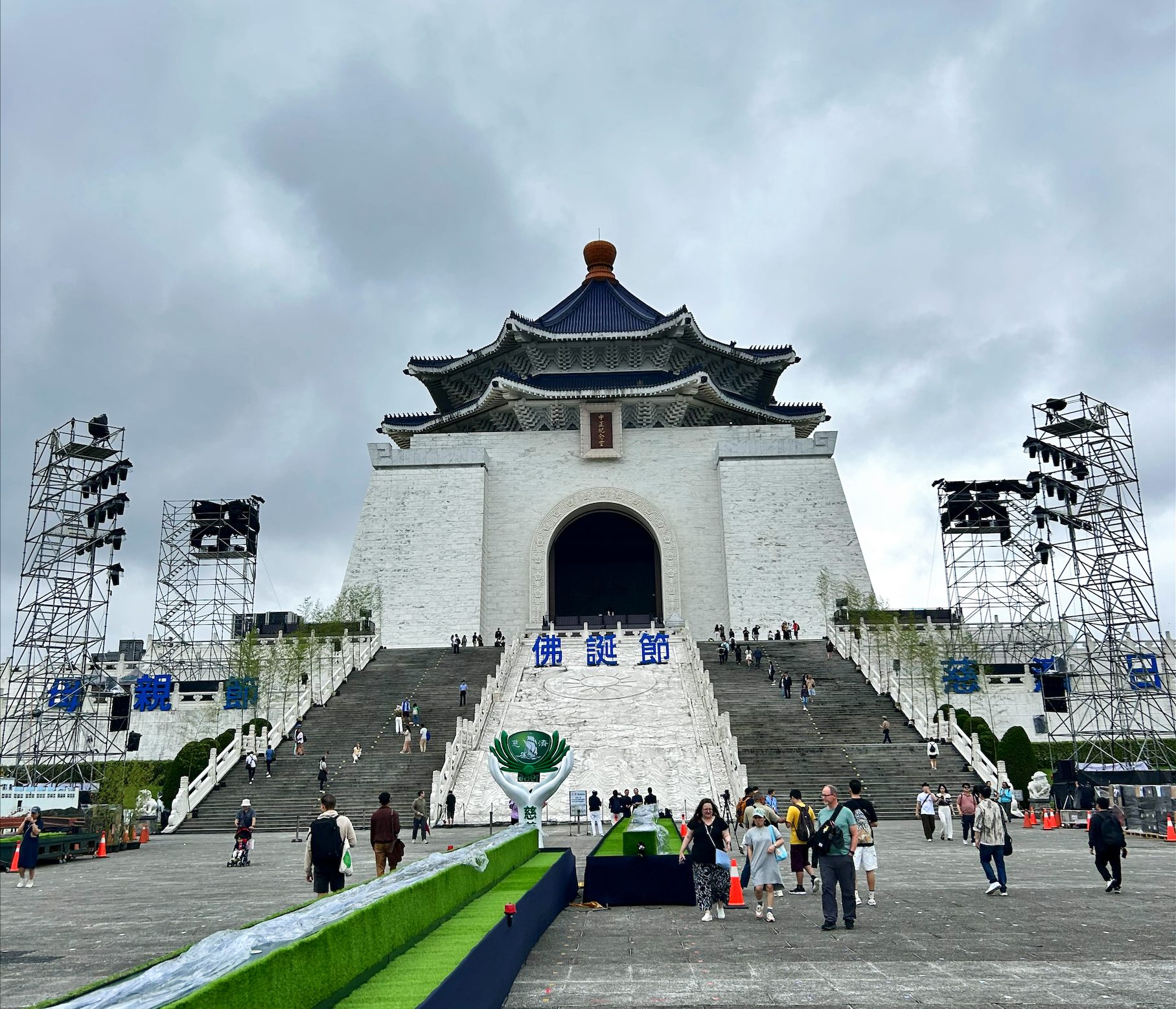
I also explored Taipei and other parts of Taiwan on my own. I visited cultural and historical sites such as Chiang Kai-shek Memorial Hall, the National Palace Museum, and Fort San Domingo, and travelled to places such as Jiufen without knowing about its visual similarities to the film Spirited Away. I watched the movie only after visiting Jiufen, which made me look back at my experience there in a different way.
The people I met were among the most important parts of my experience. I was very fortunate to be surrounded by kind, genuine, open-minded, and helpful people throughout my time in Taiwan. Many people from Professor Ma’s research group supported me in different ways throughout my stay, and I am very grateful to everyone in the group for making me feel welcome and helping me along the way. One example would be Ryan, one of Professor Ma’s postdoctoral researchers. Whenever people were speaking Chinese, he would often provide simultaneous translation for me, whether we were at the university, volunteering at the school, at a restaurant, or in many other situations. His help made it much easier for me to participate and understand what was happening around me. I am very thankful to Ryan and to everyone else in the group for their kindness, support, and friendship throughout my stay. I would also like to sincerely thank Professor Hwong-wen Ma for hosting me at NTU and for giving me the opportunity to be part of his research group.
What I Took Away from QES
The QES experience also changed me personally. Being exposed to different people, environments, cultures, and ways of thinking gave me new perspectives that went beyond my research.
I came back to Canada thinking differently about some aspects of my own life.
One thing I learned was to value my own time more. Living and working in a different environment gave me the opportunity to step away from my usual routine and reflect on what is important to me. I believe that this lesson will be useful both in my career and in my personal life.
Professionally, the experience strengthened my research, communication, networking, and collaboration skills. More importantly, it showed me the importance of international collaboration in addressing environmental challenges. Problems related to resource management, food security, and environmental protection do not stop at national borders. Working with people from different countries and backgrounds brings different perspectives and can lead to better solutions.
A Message to Future QES Applicants
If I could give one piece of advice to students who are thinking about applying to the QES program, I would simply say: do not hesitate, apply.
It is easy to have doubts about committing to a new academic experience, travelling somewhere new, or working with people you have never met before. I had my own expectations and uncertainties before going to Taiwan. But the experience taught me that some of the most valuable opportunities come from being open to new academic, cultural, and personal experiences.
Do your research, choose your host institution wisely, be open to meeting new people, and take opportunities to experience the community and culture outside of your research.
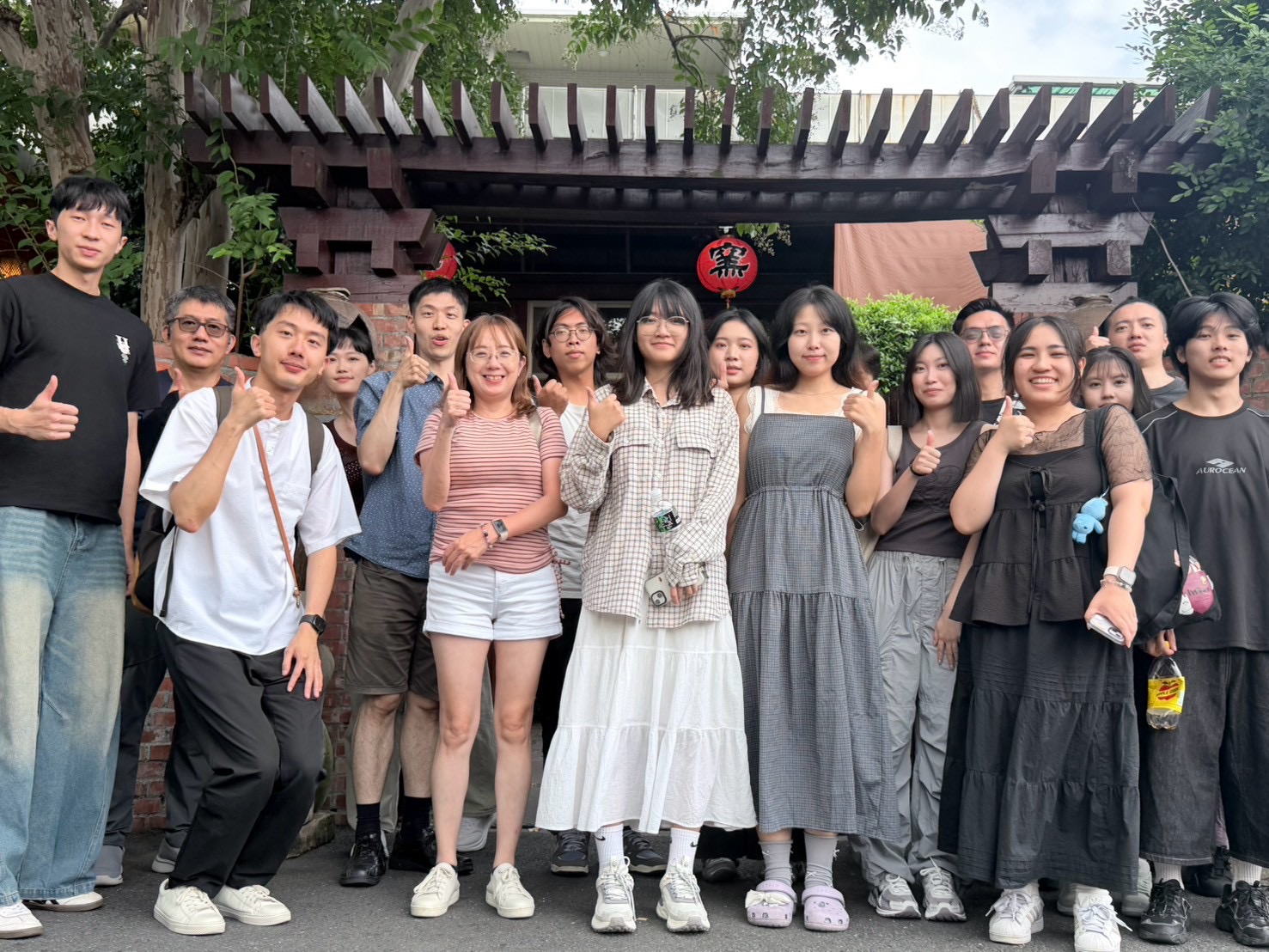
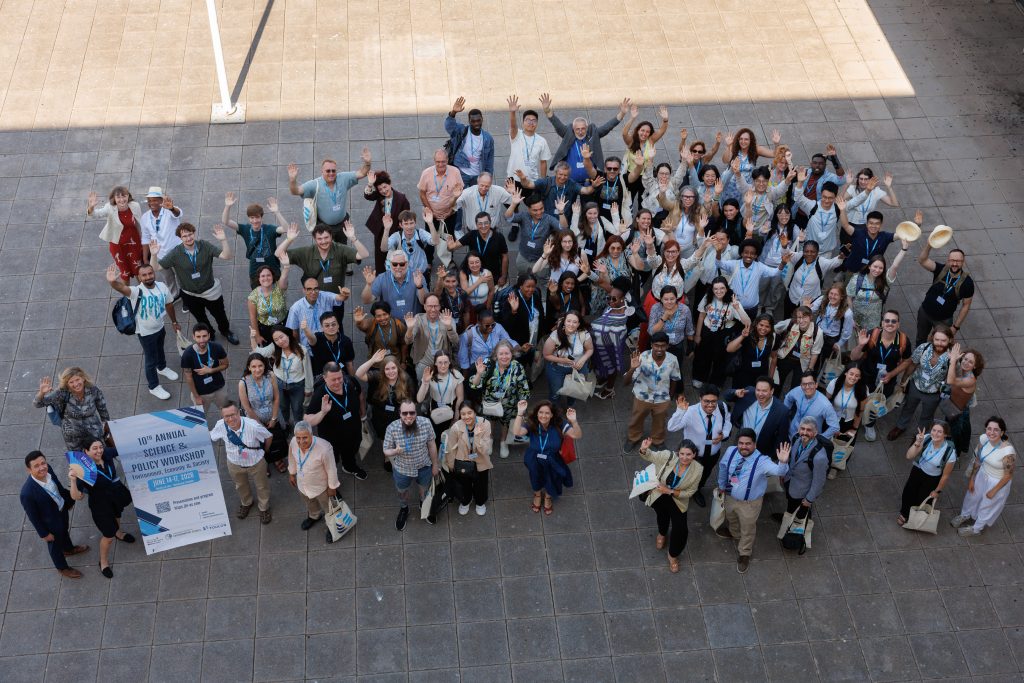
Image: Professor Ma’s research group and Almat during a group outing in Yilan (Taiwan).
Not every important lesson will come from a research meeting or a laboratory.
Some will come from a conversation, a volunteer activity, a meal with colleagues, or seeing dolphins for the first time.
For me, QES was an opportunity to develop as a researcher, but it was also an opportunity to grow as a person. I returned to Canada with new research perspectives, new professional connections, and memories that I will carry with me for a long time.
Most importantly, I learned that the value of an international experience is not only in what you learn, it is also in who you meet, how you change, and what you bring back with you.
To learn more about the Queen Elizabeth Scholarship, which made Scott’s experience in Vietnam possible, visit the QES Program page on our website or contact us: