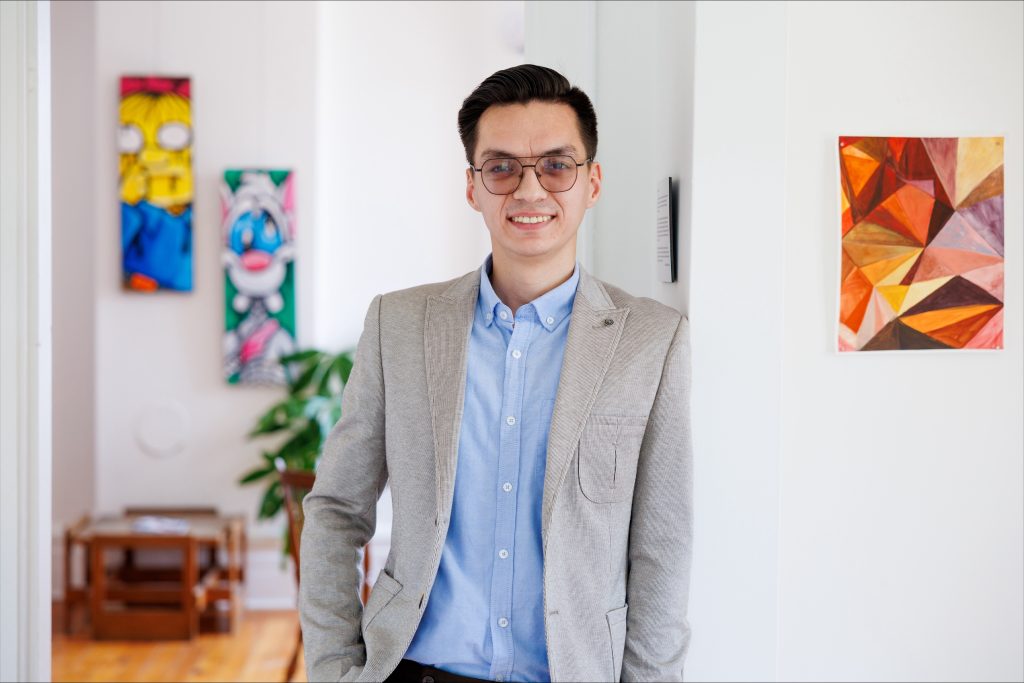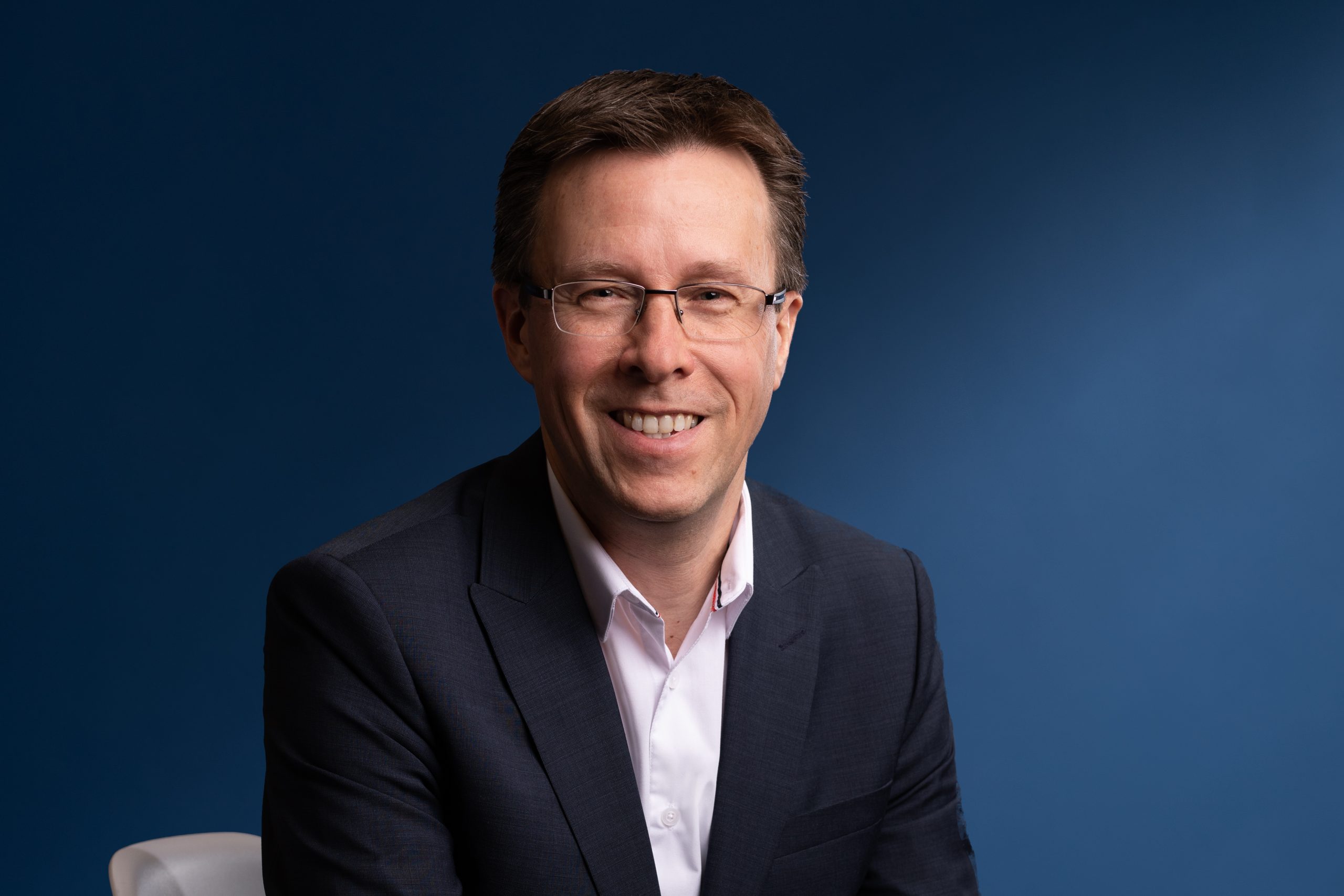
In our continued efforts to foster international collaborations in environmental research, Researcher Spotlight is a segment designed to help IIES members familiarize themselves with other members and showcase the great variety of work being done within the IIES Network.
Claude Fortin
Professor, INRS
Co-Director, EcotoQ
Research Interests:
Metal Biogeochemistry & Ecotoxicology
Claude Fortin is a professor at the Institut national de la recherche scientifique (INRS), co-director of EcotoQ and co-chair of the steering committee on the presence of contaminants from mining in the Oujé-Bougoumou region, representing the Cree community.
The INRS, an IIES-member institution since 2024, is a research-oriented university that is part of the larger Université du Québec network. Established in 1969, this institution focuses exclusively on graduate studies with campuses located in Quebec City, Montreal, Laval, and Varennes (Canada). The INRS is also the managing institution for EcotoQ, a strategic cluster of Canadian and international researchers in ecotoxicology. EcotoQ, a recent addition to the IIES network, boasts over 50 regular members from 12 universities and 1 college, upwards of 70 collaborating members and hundreds of student members. It is the only academic group in Quebec dedicated exclusively to documenting the presence and fate of environmental contaminants, and to studying their effects on flora and fauna. The mission of EcotoQ mirrors that of the IIES, which has led to a partnership aimed at extending the reach of both networks for advancing our common goals.
During his tenure as co-director of EcotoQ, Claude Fortin has focused on facilitating access for governments, the general public, and the media to Quebec’s best experts on ecotoxicology. His own research interests are in the field of metal biogeochemistry and ecotoxicology in aquatic systems. In 2011, Professor Fortin was awarded the Canada Research Chair in Trace Element Biogeochemistry, which he held until 2021. We sat down with Claude to learn more about his career path and his work.
How did you get started in your field? What interested you about it?
“I have had a very non-linear academic and career path. But I think that made me aware of the difficulties that people encounter when they’re talking to someone from a different discipline. And that has been very useful, I think, in my career.”

Image: Professor Claude Fortin and MSc student Frédérique Warren in a canoe exploring the Tam Coc caves in Vietnam.
“I did my undergraduate studies at McGill (Montreal, Canada) in chemical engineering. After getting my degree, I realized it was not exactly what I wanted to do. I chose chemical engineering based on the false premise that it would be about chemistry but applied to industry. In addition to this, the economic context at the time was that there was a recession and no one was hiring. And I realized I had spent four years studying something for companies that don’t want to hire me. That’s why I decided that from that moment on, I’d do what I’d like to do for myself.”
“So, I started thinking about what could be my next step. And I came across the person who became my mentor, Professor Peter Campbell, at INRS. And he convinced me to do a master’s on a project in the field of analytical chemistry but applied to ecotoxicology. And I loved it! I decided to stay on and do a PhD, which included more ecotoxicology, working with algae. So, I wasn’t really an engineer, wasn’t really a chemist, wasn’t really a biologist either. But I managed to acquire all the knowledge required to apply it to my project.”
“After that, I did a postdoc in France in radioecology. I had applied to a position at Environment Canada before going off for my postdoc. And after two years, I got a phone call that there was finally an opening. They offered me a job and I accepted. So, I moved back to Canada in Ottawa to work for an environmental regulator. So again, something else different. And shortly after, there was a position open at INRS, and to my own surprise, they hired me. And I’ve been there since 2003.”
“What interested me in particular has been being able to thrive between disciplines and not being confined to a discipline.”
“Research is like solving a puzzle, trying to figure out what we haven’t figured out yet. There is a consensus, that metal toxicity is defined by the free metal ion concentration but that doesn’t give us the whole picture of what is bioavailable. There are conditions where this doesn’t seem to apply and we don’t know why in some cases. I saw that as motivating. I wanted to try to figure out how and why that happened. Just saying it doesn’t work in this condition wasn’t satisfying for me. I needed to know why.”
What have been some of the highlights of your career so far and to what do you attribute these successes?
“When I got a Canada Research Chair, that was something I was very proud of. This particular success could be partly due to luck, because sometimes it’s a question of timing and who else is in competition with you but research is like running a marathon. It’s the long run; it’s not about running fast all the time. You have to be steady.”
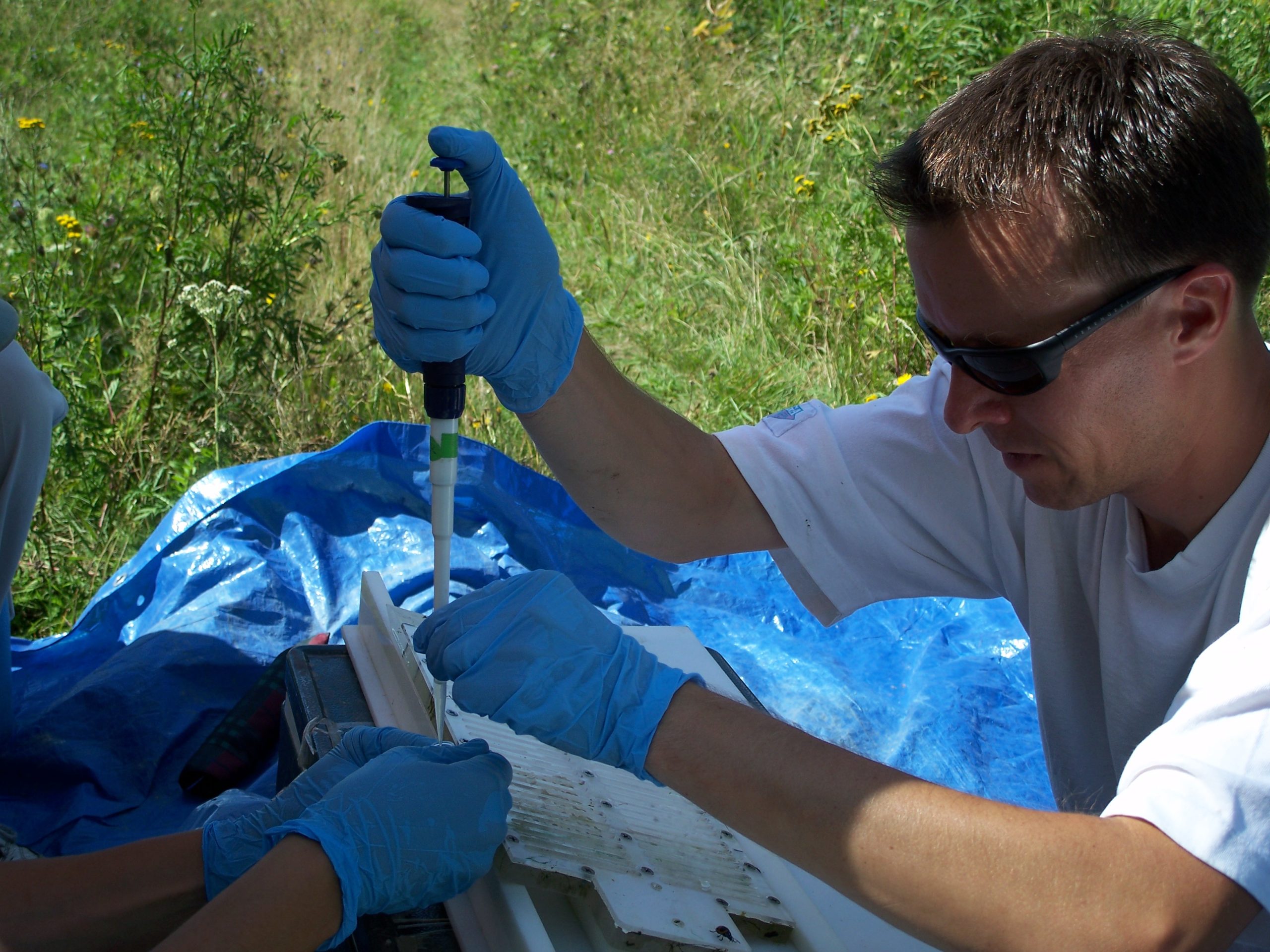
Image: Professor Claude Fortin collecting field samples from sediment porewater peepers.
“What is required to have success in research in general? It is to be consistent and to have a direction and keep pushing in that direction.”
“So, I’ve tried not to spread myself too thin on radically different projects. They might be individually different, but they all go towards the same direction so that helps build your reputation and expertise without diluting it.”
“And the other factor behind my own successes, I think, was that I was lucky to have a great mentor, Peter Campbell. That helped me a lot in the beginning of my career and, well, throughout my entire career, actually. But it was very helpful at the start of my career. I basically hit the ground running. When I arrived, he included me in co-supervising students and added me on grant applications. So, things started very swiftly. That gave me momentum.”
“For almost over 20 years, Peter was the co-chair of the steering committee for the rehabilitation of former mining sites in northern Quebec, in Oujé-Bougoumou. And he was a representative of the Cree Nation. Just before he passed away, he recommended me to take over on that steering committee. So, I’ve been, for over a year now, co-chair of this steering committee, and I think that’s a good example of how to use scientific knowledge to help the community and society as a whole.”
“The students that I have supervised, they thrive in their careers and now they have successes of their own. I have a recent graduate who just got a faculty position; she’s starting in 12 days. And I take pride in the fact that my former students call me back to work with me. So, I think that tells me that I wasn’t a bad person.”
Is there any of the research that you’re doing that you’d like to share?
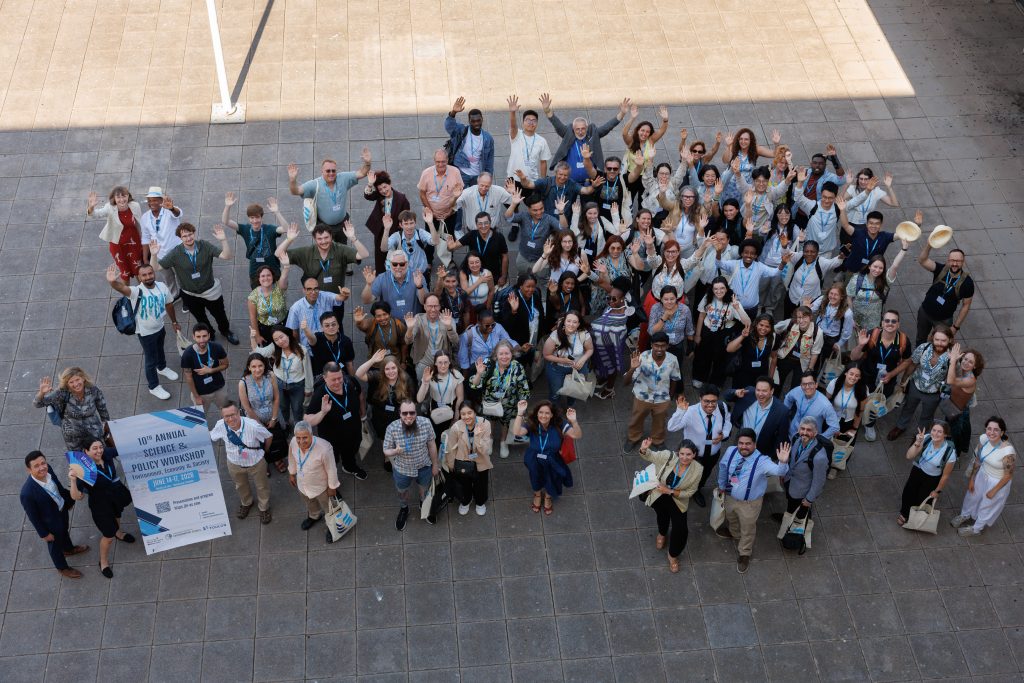
“Well, what comes to my mind is the presentation I’ll be making at the 10th Annual IIES Science & Policy Workshop in Toulon for which I am on the organizing committee. That is the final deliverable of a four-year project. It’s an NSERC Alliance funded project with a lot of partners, mostly the uranium industry in Canada and environmental regulators from Saskatchewan, Ontario, Quebec, and the Canadian Nuclear Safety Commission. And we worked across the country, different labs, to provide enough data to come up with a single curve, it’s called a species sensitivity distribution. And that’s what I’ll be presenting in Toulon. And that graph allows the environmental regulators to develop an environmental quality criterion for surface waters for Radium-226. So, we went from zero data to having enough data to develop a water quality criterion, which is a nice way to go from research to real world application and improvement of our capacity to make sure the ecosystems are sufficiently protected from human activities.”
What would you consider the biggest challenge in your field?
“There are evolving challenges over time. You see, in the early 2000s, it was nanoparticles and now we’re talking more about PFAS. There are always new challenges coming. But when I look back over 50 or 60 years, there’s one challenge that remains. When I started my masters, so in the mid 90’s, the challenge was to be able to determine metal speciation in the presence of natural organic matter. And that remains a challenge today, so we haven’t been able to resolve that. Because natural organic matter is so complex, there are no two identical molecules. So, it’s hard to predict how it behaves and the impacts on the chemistry of the water column. And if you look at the first publications on organic matter and its importance for contaminants, it goes back to the 70s. So, I think that’s a long-term challenge that remains pertinent today.”
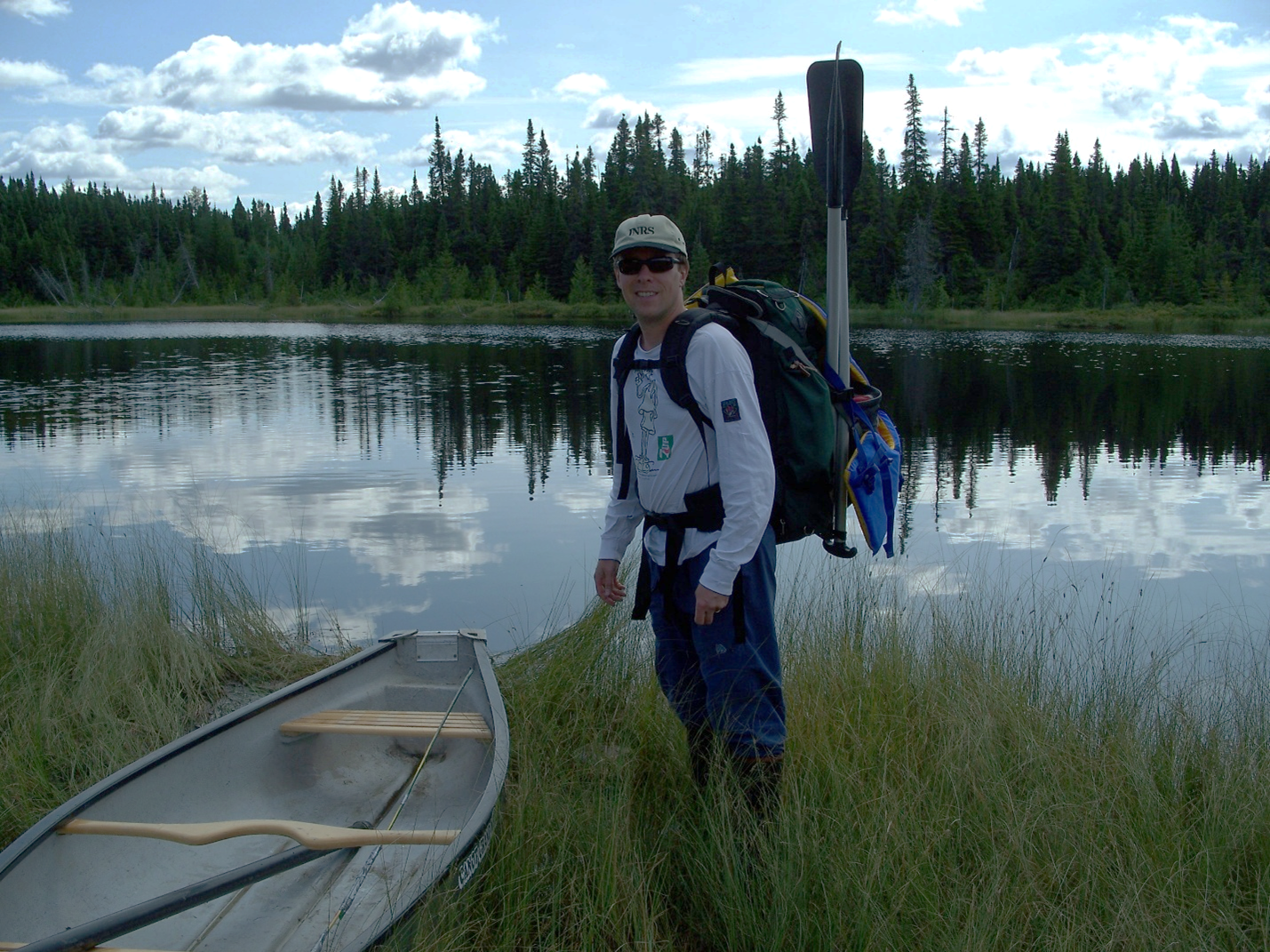
Image: Professor Claude Fortin field sampling lakes in the Chic-Chocs mountains of Gaspésie, QC.
Can you speak to the importance of international collaborations when it comes to environmental research?
“If I look at very niche research, like metals and algae, my colleagues are in Australia or Switzerland. So, it’s a bit artificial to limit myself to working with people in Canada. What’s important is that the IIES is filling a gap in our research system where there are very little opportunities to work with international collaborators, even though the planet is the market, right? That’s also a really great opportunity for students who are not exposed that much to international collaborations.”
“I think IIES fosters this international collaboration that’s missing in our research environment.”
What advice would you give a researcher just starting out in your field?
“I’ve sort of touched on it before, but I’d say be respectful and nice to your students because they’re your future colleagues and maybe partners if they’re in industry. And networking outside of the team is important, but within the team also. So, my advice would be to foster really good relationships with everyone over your entire career.”
“And the other advice I could give is to (and I sort of touched on it too) not to spread yourself thin in different unrelated projects. You need to identify what makes you want to go to work every morning and focus on that and develop your expertise and avoid the bandwagon effect. There are trends sometimes in research. People are working all on one topic and then they jump to another. In the long run, that doesn’t help you develop your expertise in a niche. So, find your niche and foster it. At some point your expertise will be needed for that niche, but if you’ve just spread yourself over dozens of topics, you’ll be just one person in the crowd.”
To learn more about Professor Fortin’s work, you can read some of his latest publication:
1. Free Gd3+ concentration drives the accumulation of Gd and its subsequent toxicity to the green alga Chlamydomonas reinhardtii (DOI : 10.1093/etojnl/vgag107)
2. Incorporation of metal speciation data into QICAR models and application to data-poor technology-critical elements (DOI : 10.1093/etojnl/vgaf230)
3. Platinum speciation in the presence of natural organic matter in a simplified freshwater medium investigated using HPSEC-ICP-MS (DOI : 10.1071/EN25014)
Or you can visit his profile on the INRS Website through the link below: