About Université Laval
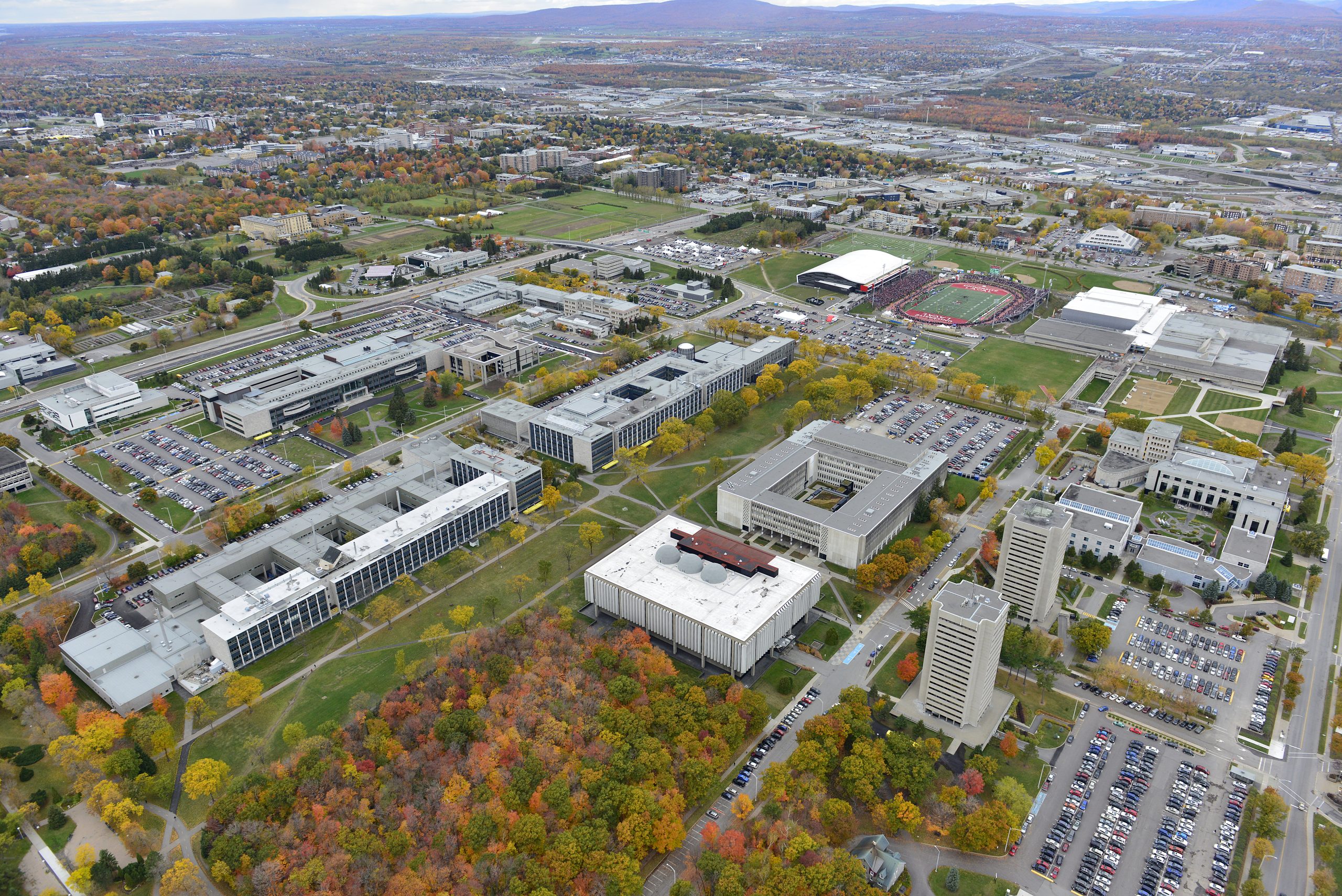
Set in the heart of Québec City, a UNESCO World Heritage site, Université Laval is a public research university previously known as the Séminaire de Québec founded by François de Montmorency-Laval, the first Bishop of New France. Established in 1663, Université Laval is the oldest post-secondary institution and the first French-language university in Canada. Université Laval (ULaval) offers over 600 programs of study, with more than 90% of its bachelor’s programs offering internship opportunities. It is recognized for its strong commitment to innovation, interdisciplinary collaboration, and societal impact. The university stands out for its leadership in nordicity and sustainability research, as well as its vibrant research community spanning health, environment, and advanced materials.

Image: Nordic research team from Université Laval aboard a zodiac in the waters of the Svalbard archipelago in the Arctic Ocean.
As an institution committed to sustainability, ULaval is the first voluntarily carbon-neutral university in Canada since 2015. Part of its efforts to remain transparent in its sustainability mission includes rigorous tracking and public reporting of its Green House Gas (GHG) emissions, with its reports being verified by an independent third-party every 5 years. Its campus is also home to the Forêt Montmorency (75km north of Quebec City), the largest teaching and research forest in the world. ULaval continues to uphold its status as an environmental leader with a commitment to become powered by 100% renewable energy by 2035.
By joining the IIES network, Université Laval aims to strengthen global partnerships in environmental and sustainability research and to contribute to international solutions addressing complex environmental challenges. Professor Dominic Larivière provides us with insight into the current issues researchers at Université Laval are working to address:
“Environmental research at Université Laval is a core strength, with a particular emphasis on: climate change and northern ecosystems (Arctic and sub-Arctic research), sustainable development and resource management, green chemistry and clean technologies, biodiversity conservation, and environmental health. Through initiatives such as the Institut nordique du Québec and multiple interdisciplinary research centers, Laval advances knowledge on climate resilience, sustainable innovation, and ecosystem protection.”
To learn more about Université Laval, please visit the link below. You can also check out our membership page.