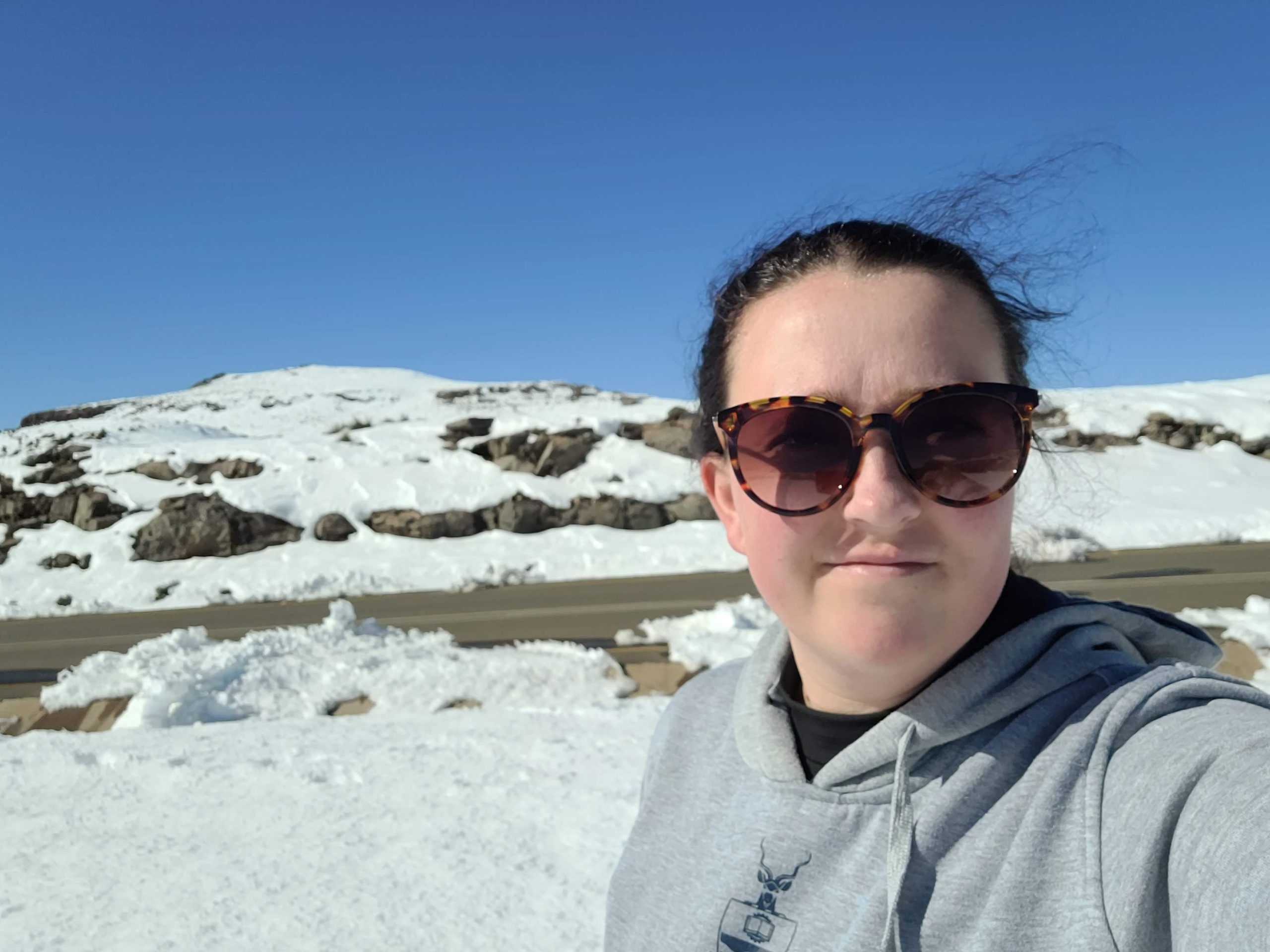
Researcher Spotlight: Dr. Simone Dahms-Verster

20220603

In our continued efforts to foster international collaborations in environmental research, Researcher Spotlight is a segment designed to help IIES members familiarize themselves with other members & institutions and showcase the great variety of work being done within the IIES Network.
Simone Dahms-Verster

Senior lecturer, University of the Witwatersrand

Research Interests:

Ecotoxicology & Health


Simone Dahms-Verster is a senior lecturer at the University of the Witwatersrand in addition to serving as a member on the board of the Southern African Society of Aquatic Scientists (SASAqS) and as a Steering Committee member of the Network for Industrially Contaminated Land in Africa (NICOLA).

The University of the Witwatersrand, an IIES-member institution since 2024, is a world-renowned university in Johannesburg, South Africa. Now the top university in Africa with seven campuses and over 40,000 students, the University of the Witwatersrand, commonly referred to as Wits University, first started as the South African School of Mines in 1896. The university has long been committed to promoting academic excellence, innovation, and social justice, including non-discrimination based on race. This commitment remained firm despite apartheid-government policies, which were met with peaceful protests from members of the university. Despite the banning, deportation and detention of staff and students as well as invasions of the campus by riot police, the university’s community continued to fight for social justice until the end of apartheid and the election of a democratic government. Today, Wits continues its efforts to build a better future and remains focused on producing exceptional, inclusive and socially engaged global citizens.

In 2025, Wits University was the co-host of the 9th Annual IIES Science & Policy Workshop and the 8th International Graduate Student Forum. Simone Dahms-Verster helped make these events possible through her help on the organizing committee. Now, we have a chance to sit down with Dr. Simone to learn more about her career path and her research.


How did you get started in your field? What interested you about it?

“I have always loved animals and science, so I enrolled for a Bachelor’s degree in Zoology and Environmental Management at the University of Johannesburg in South Africa. I enjoyed my studies tremendously and subsequently undertook an honours degree in Zoology where we covered more specialised topics.”

  “That is where I really fell in love with aquatic environments and the effects of pollution on living beings.”

20230227

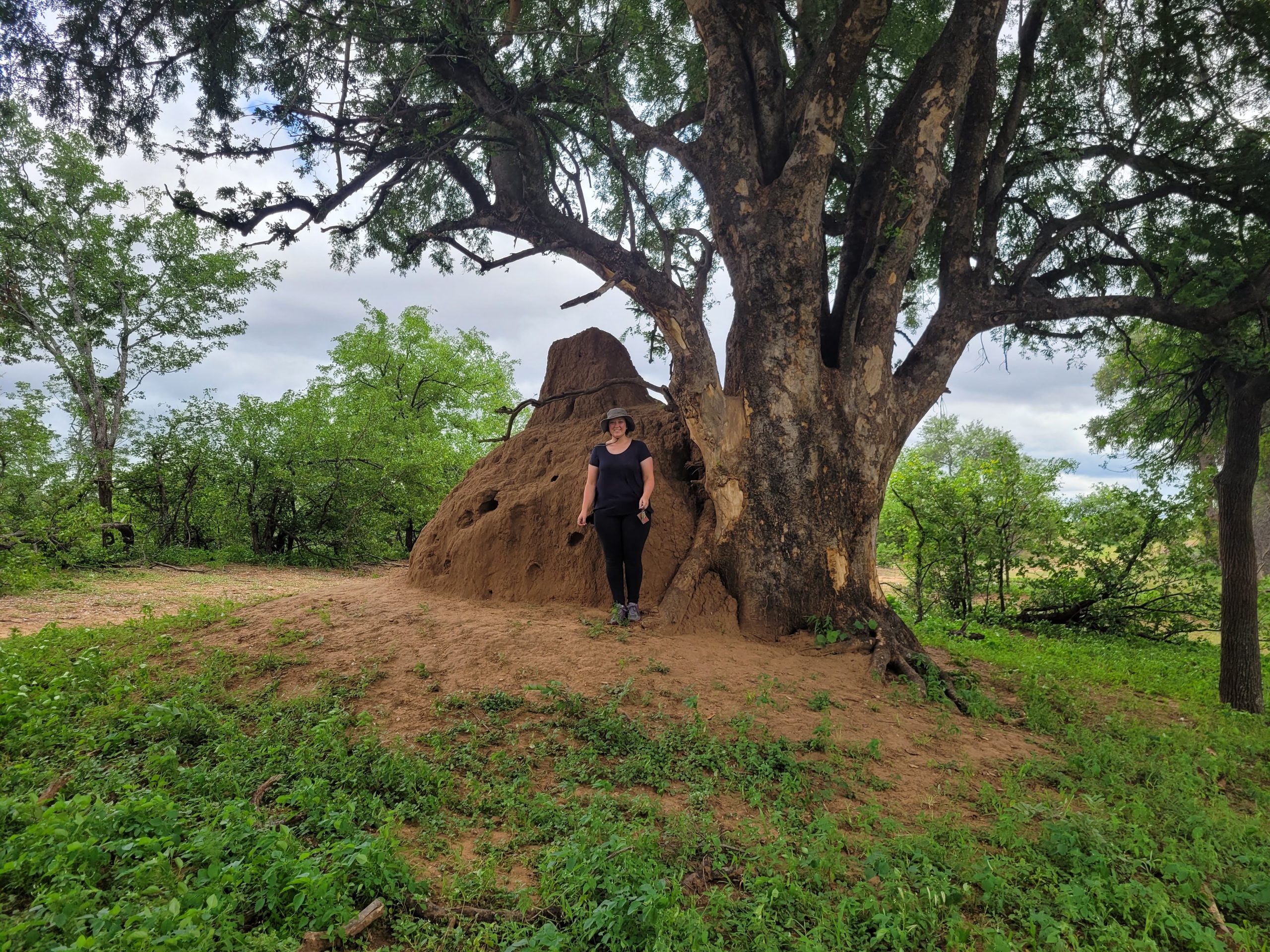
Image: Dr Simone conducting fieldwork in the Limpokwena Nature Reserve in South Africa, pictured in front of a large termite hill.

“After that I was not sure what career path I wanted to follow, so I enrolled for a Masters of Science degree specialising in Aquatic Health where I conducted a research project on heavy metal contamination in a Ramsar accredited wetland in South Africa. During my masters, I encountered concentrations of vanadium in the wetland and couldn’t find much information on the effects or safe/unsafe levels of this heavy metal, so for my PhD degree I conducted exposure studies on the African Clawed Frog using vanadium and determined effect in terms of mortality, embryonic development and physiological responses in the organisms. During and after my PhD I worked as an Assistant Lecturer at the University of Johannesburg and thereafter moved to Wits University after my contract ended at UJ. At Wits University, I was initially employed through the Claude Leon Chair in Water Research, but a couple of years into my contract I was employed permanently as an academic at Wits.”

How long have you been at your current institution and what about it makes it stand out compared to others?

“I have been at Wits for nearly 5 years now. Wits has a culture of striving for excellence in research, teaching and academic citizenship.”

  “What really sets Wits apart is the global exposure it provides, and intensive research support given to staff, especially during the years that you are an early career researcher.”

“I am also privileged to be stationed in the School of Geography, Archaeology and Environmental Studies, where I have incredible mentors who have helped shape me into the academic I am today. Firstly, Professor Jennifer Fitcehtt who has been my School mentor since I started at Wits. She has guided me with such grace through getting established as an academic, she included me as a collaborator, supported me in opportunities and been an excellent role model to me over the last 5 years. Secondly, Professor Craig Sheridan who supported my research and provided me with opportunities and exposure to various international networks while I was employed through his research chair. Finally, my Head of School Professor Paida Mhangara, who trusted in me enough to give me significant responsibilities in the School as soon as I arrived, and supported me every step of the way in making a success of them. I am deeply grateful to you all.”

You are also a board member of the Southern African Society of Aquatic Scientists (SASAqS) and a Steering Committee member of the Network for Industrially Contaminated Land in Africa (NICOLA), can you tell us about your involvement with these organisations?

“My involvement in SASAqS started in 2014 when I became a student member of the society and attended the annual SASAqS conference. I have been a member of the society ever since. In 2024, I was nominated to serve on the executive of the society and have been the society secretary since then. My involvement in NICOLA was more recent. I attended their conference in 2022.”

  “It turned out that the network was elated to have an attendee from Academia because it was a core area of development for them. I was voted onto the Steering Committee at the conference and my goal has been to grow the academic involvement in the network.”

“I have previously served as the Lead of the Conference Stream and now serve as the Lead of the Young Talent and Outreach stream.”
IMG 20241212 WA0027

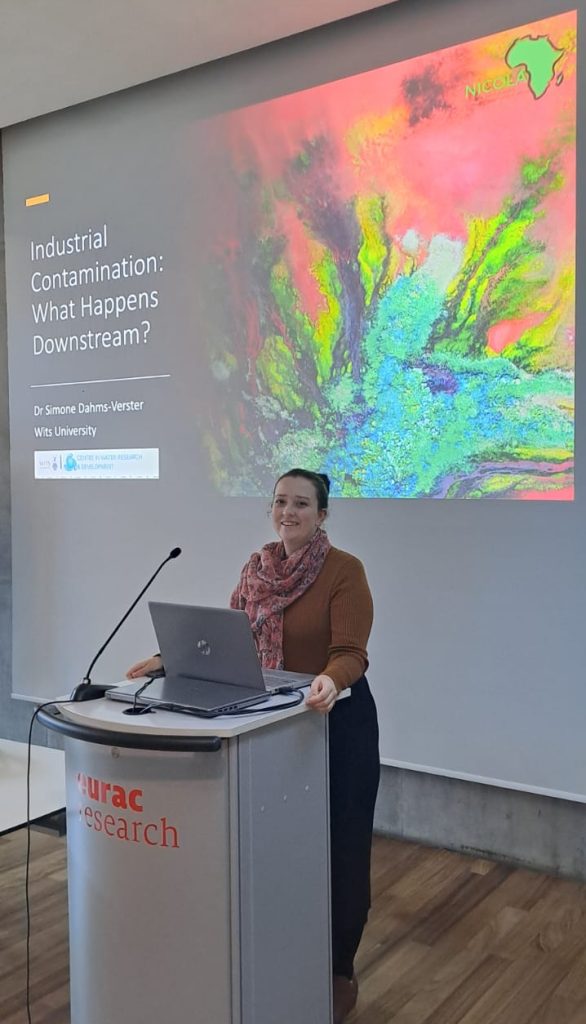
Image: Dr. Simone Dahms-Verster presenting her work on industrial contamination at EURAC Research in Bolzano, Italy in 2024.
What have been some of the highlights of your career so far?

“There have been quite a number of pearls on the string of my career: graduating my first postgraduate student; organising and running my first conference (NICOLA 2023); fieldwork in incredible places such as the Lesotho highlands in the snow and the most remote areas of South Africa; international research visits and conferences, such as the IIES in Toulon 2026 and the UNA Europa visits to Jagiellonian University, Leiden University and Edinburgh University. Building networks with civil society organisations in our country such as WaterCAN, successfully creating a smartphone application that can analyse water quality test strips and having community stakeholder engagements with rural South African communities to teach them about water safety. The list goes on and on…”

And what trait in general do you believe is required to be successful in ecotoxicology research?

  “Enthusiasm and determination. Those traits are what make a successful researcher in this field.” 

Is there any research you are doing right now that you want to share with us?

“We have recently completed a project looking at the physiological effects of glyphosate exposure on aquatic organisms of different trophic levels. We looked at physiological stress responses in algae and Chironmid larvae and found some very interesting results which we will share soon. Furthermore, we are in the early phases of a project where we are assessing the ecotoxicological potential of feminine hygiene products in the Global South which considers the chemical profiles of these products and potential environmental risk but also includes a comprehensive assessment of the socio-economic trends in the use and discarding practices of these products. In essence, what is in them and what happens when that leachate enters the environment.”

What would you consider the biggest challenge in your field?

“In a field such as this there is never enough funding to cover expensive analyses. This does place limitations on the research we are able to do. Secondly, access to very specialised equipment such as that required to analyse samples for PFAS or Glyphosate.”

Can you speak to the importance of international collaborations when it comes to environmental research?

“I believe that international collaborations are critically important for environmental research. In certain research areas, Europe and the US are leading novel research and we learn a lot from the groundwork that they have done.”

  “I also believe it is critical that there is open dialogue between the Global North and Global South and that there are lessons to be learned from both sides of the conversation.”  

IMG 20241212 WA0017

Image: Dr. Simone Dahms-Verster during her visit to Jagiellonian University in Poland as part of the UNA Europa Africa grant.

What kind of involvement have you had with the IIES in the past and what pushed you to get involved?

“In 2025, I was part of the organising committee that arranged the 2025 IIES Science and Policy Workshop and Graduate student forum in South Africa. I got involved through the UNA Europa-Africa Grant and the network was established from there. I have also been privileged to attend the 2025 and 2026 IIES conferences where I chaired a session and presented some of my research. I was also able to co-fund some of my postgraduate students to attend the 2026 IIES Science & Policy Workshop in Toulon.”
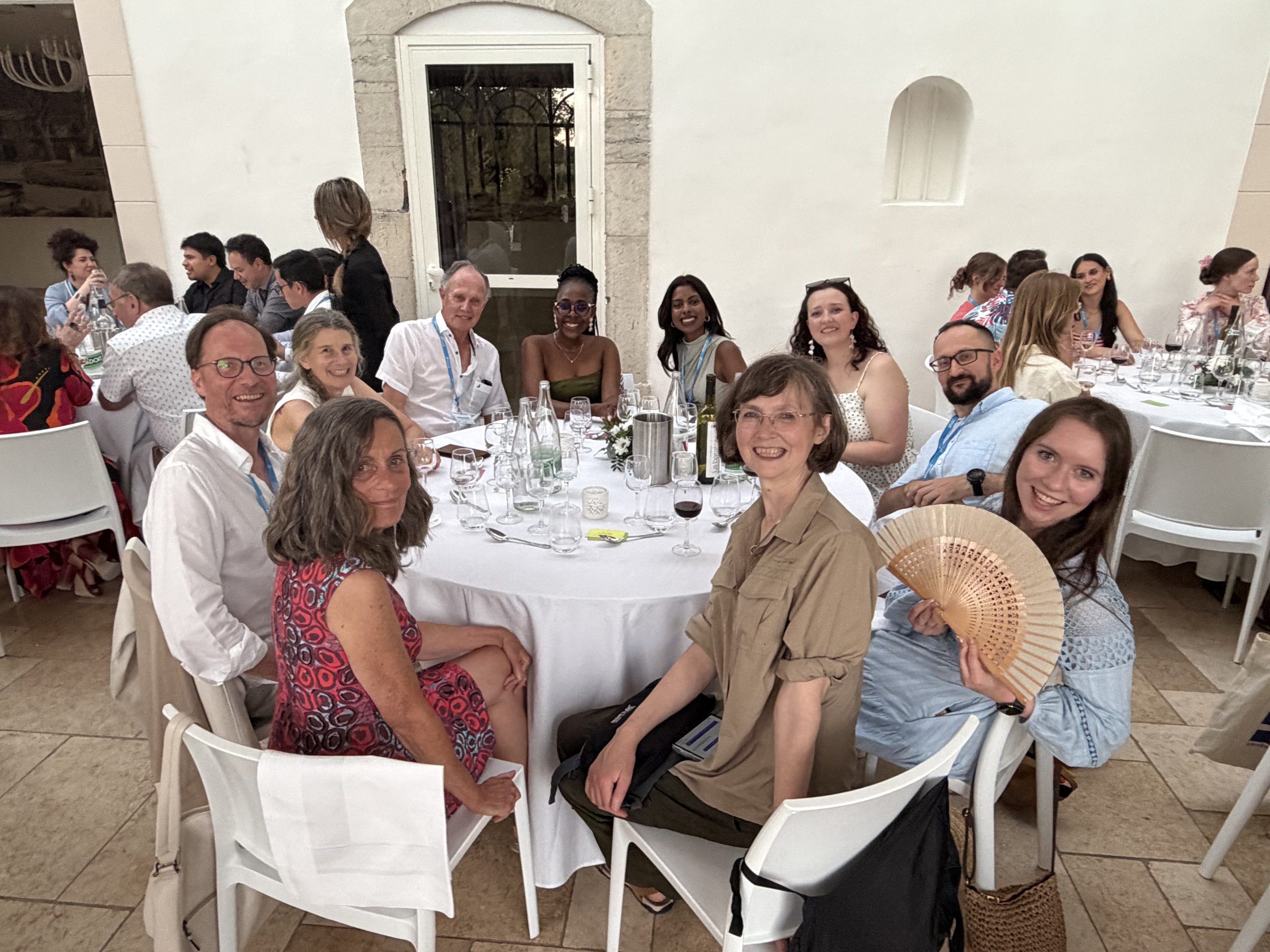
IMG

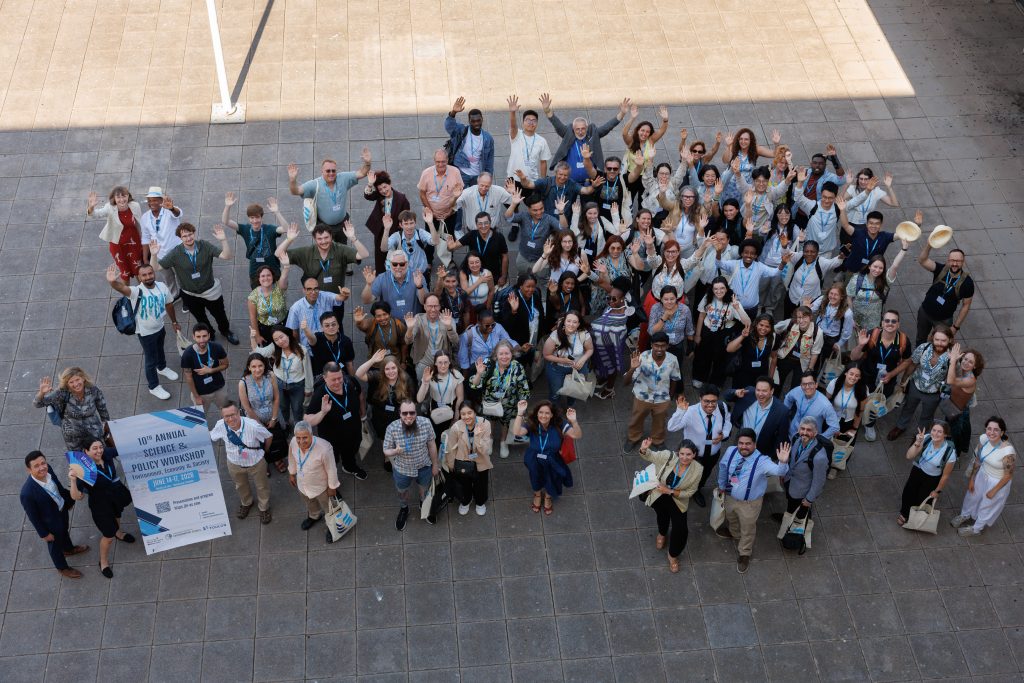
Image: Dr. Simone at the Gala dinner during the 10th Annual IIES Science & Policy Workshop in Toulon (France) with fellow participants, including two of her students to her left; Ikhira Dawood and Moshibudi Thema.

What advice would you give a researcher just starting out in your field?

  “Be open to all opportunities that may come your way.”  

“Don’t be scared to speak to more established researchers in your field, they are very happy to speak to students and early career researchers, I promise. And most importantly, be kind, always. Human relationships are invaluable in this field.”

To learn more about Dr. Dahms-Verster’s work, you can check out her Wits profile by clicking the button below:

You might also enjoy